
Steven Abrams - Master Global Health
Steven Abrams
Steven Abrams is Professor of Biostatistics at the UHasselt (Data Science Institute, Center for Statistics, I-BioStat) and of Medical Statistics at the University of Antwerp (Global Health Institute, FAMPOP). He is a member of the Modelling Infectious Diseases (MID) unit within the joint SIMID initiative between both universities and acts as promotor of the statistical core facility StatUa at the University of Antwerp. He has worked on various topics within the field of infectious disease modeling including describing individual heterogeneity in the acquisition of infectious diseases and outbreak risk assessment in highly vaccinated populations. He is involved in several projects on measles, pertussis, tuberculosis, malaria and COVID-19 transmission and conducts methodological work on methods at the intersection of MID and survival analysis. He teaches introductory and advanced courses in statistics and mathematical modeling to undergraduate and graduate students at both universities.
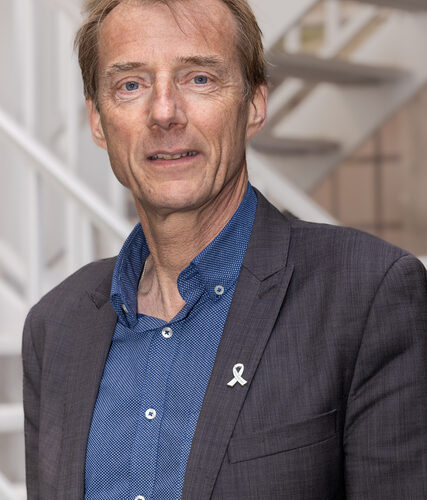
Guido Van Hal - Master Global Health
Guido Van Hal
Guido Van Hal is a medical sociologist working within the Faculty of Medicine and Health Sciences, Research Group Social Epidemiology and Health Policy at the University of Antwerp. His main research topics are cancer screening (breast, cervical, colorectal, lung, esophageal) and substance use (as well licit as illicit substance use). He is teaching in the bachelor and master of medicine, the international master epidemiology and the international master global health.

Jean-Pierre Van Geertruyden - Master Global Health
Jean-Pierre Van Geertruyden
Jean-Pierre Van Geertruyden is coordinating the Global Health Institute at UAntwerp since October 2009. He worked for over a decade as a clinician and a manager in several humanitarian and disease control projects in Low & Middle Income Countries, mostly in sub-Saharan Africa, with WHO and Médecins Sans Frontières. His academic career started at the Institute for Tropical Medicine (Antwerp), where he was involved in malaria and HIV research and teaching activities. His main expertise lies in biostatistical support, designing and implementing (clinical) epidemiological study designs and conducting clinical trials (Phase 1-2-3). (Development of) molecular tools are incorporated in the majority of his studies. Apart from Malaria related research (main expertise), he has set up research lines on NCDs, cancer diagnosis & treatment, vaccine development, Covid-19 etc. with colleagues with complementary expertise.
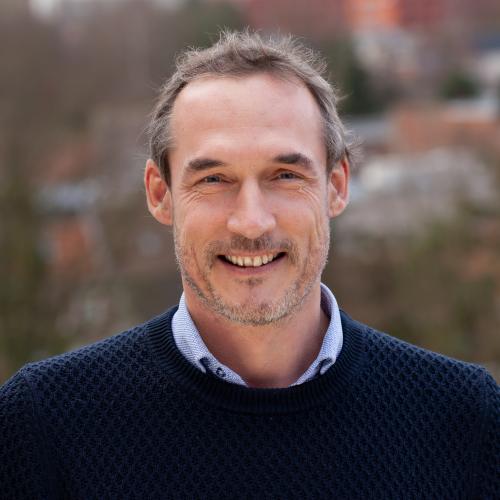
Peter Pype - Master Global Health
Peter Pype
Peter Pype is associate professor in the Department of Public Health and Primary Care at the Faculty of Medicine and Health Sciences at UGent. His work, both in research and teaching, focuses on interprofessional collaboration. He received a Doctor’s degree in Health Sciences from UGent in 2014 on ‘Workplace learning for general practitioners in palliative care: suitable and feasible?’. He is currently still working as a general practitioner in a group practice.
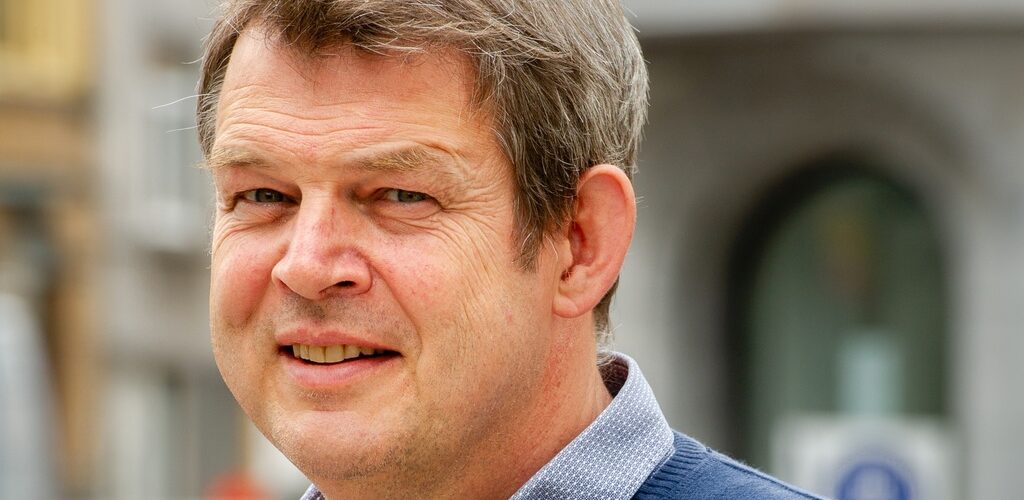
Gorik Ooms - Master Global Health
Gorik Ooms
Gorik Ooms is a human rights lawyer and a global health scholar, Professor of Global Health Law & Governance at the London School of Hygiene & Tropical Medicine, Adjunct Professor at the Law Faculty of Georgetown University, and Visiting Professor at the Faculty of Medicine and Health Sciences of UGent. Between 1990 and 2008 he worked with Médecins Sans Frontières Belgium in different positions, and as Executive Director from August 2004 until June 2008. He was a member of the Lancet-University of Oslo Commission on Global Governance for Health and is a member of the Lancet-O’Neill Institute, Georgetown University Commission on Global Health and the Law.
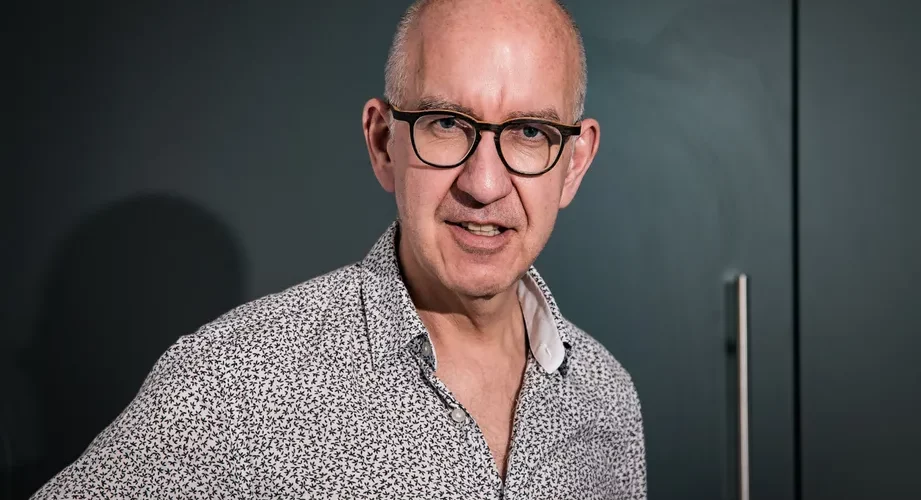
Geert Molenberghs - Master Global Health
Geert Molenberghs
Geert Molenberghs is Professor of Biostatistics at UHasselt and KU Leuven. He has held visiting positions at the Harvard School of Public Health and is the founding Director of the Centre for Statistics at UHasselt and currently the Director of the Interuniversity Institute for Biostatistics and Statistical Bioinformatics (I-BioStat), a joint initiative between UHasselt and KU Leuven. He has taught over 100 short and longer courses on the topic in both universities and industry in Europe, North America, Latin America and Australia.
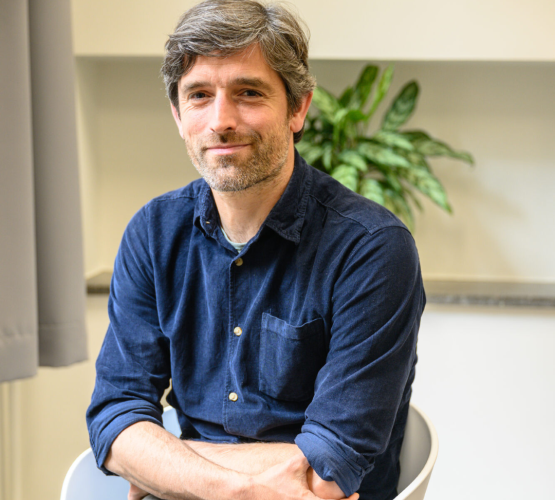
Jeroen Luyten - Master Global Health
Jeroen Luyten
Jeroen Luyten is an associate professor of health economics and the head of the Leuven Institute for Healthcare Policy. He teaches courses on health economics, economic evaluation and ethics in the MSc in Global Health, the Master in Healthcare Management and Policy, the Master in Nursing and Midwifery and the Master of Bioethics. His research focuses on resource allocation and priority-setting in healthcare, using methods of economic evaluation and multiple-criteria decision analysis and on pharmaceutical economics and policy. Before joining KU Leuven, he worked as a post-doc fellow in health economics at the London School of Economics and Political Science, obtained a PhD in health economics at the University of Antwerp and obtained master degrees in economics (University of Antwerp and Université Toulouse 1) and philosophy (KU Leuven).

Ives Hubloue - Master Global Health
Ives Hubloue
Chairman of the Department of Emergency Medicine of the Universitair Ziekenhuis Brussel (UZ Brussel) and of the Research Group on Emergency and Disaster Medicine (ReGEDiM) at the Faculty of Medicine and Pharmacy of the Vrije Universiteit Brussel (VUB, Belgium). He graduated in Medicine at the VUB (Belgium) in 1988 and started a residency in Internal Medicine (finished in 1993) followed by a training in emergency, intensive care and disaster medicine (finished in 1995). He is Board Certified in Internal Medicine, Emergency Medicine and Intensive Care Medicine. In 2003 he obtained his PhD in Medical Sciences. As professor at the medical school of the VUB he is involved in the teaching program for medical students (undergraduate and graduate). He is also the program director for the residency training in emergency medicine training (postgraduate) at the VUB. Besides this he is a Faculty member and Chair of the Strategic Management Board of the European Master in Disaster Medicine (EMDM, www.dismedmaster.com) course.
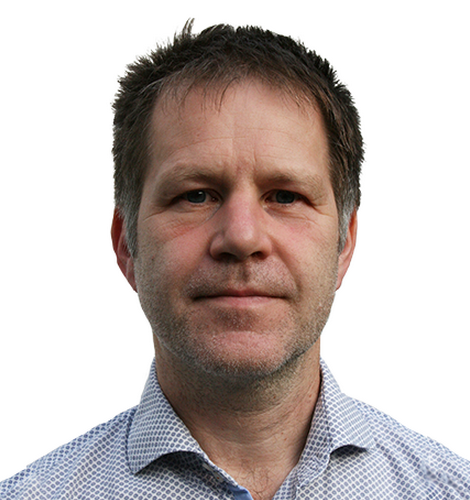
Peter Hoet - Master Global Health
Peter Hoet
Peter Hoet is a Professor in Biomedical Sciences at KU Leuven’s Department of Public Health and Primary Care. He is chair of the Centre of Environment and Health, including Occupational and Environmental Exposure, Toxicological Assessment and Medicine; Insurance medicine; Youth Health Care; Infection Prevention and Control;. The research undertaken by his sub-unit Toxicology is related to the health effects of exposures at work and/or in the environment; with a focus on pulmonary-, immune- and cardio-vascular toxicology and (epi)-genetic effects.
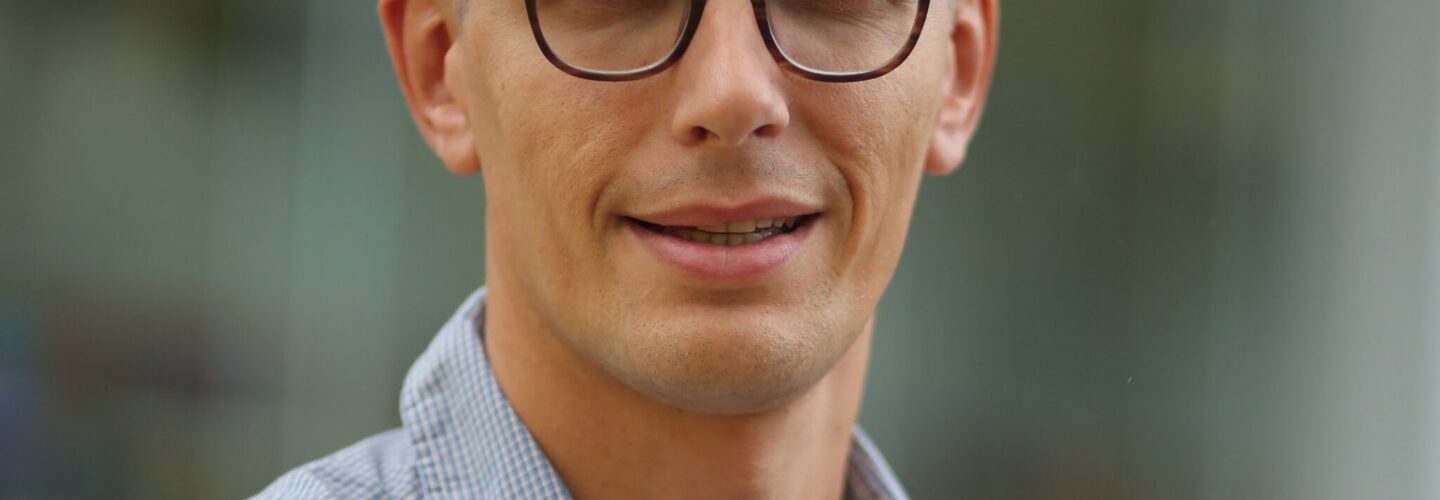
Niel Hens - Master Global Health
Niel Hens
Niel Hens is Full Professor of Biostatistics at Hasselt University (CenStat, I-Biostat & Data Science Institute) and Full Professor of Biostatistics and Holder of the Scientific Chair in Evidence-based Vaccinology at the University of Antwerp (Chermid, Vaxinfectio). He is elected member of the Royal Flemish Academy of Belgium for Science and the Arts. After completing his PhD, entitled ‘Non- and Semi-parametric Techniques for Handling Missing Data’, in 2005, he developed an interest in modelling infectious diseases. He has authored more than 400 publications and takes positions in the editorial board of Statistics in Medicine and the Lancet Infectious Diseases. He has been involved in several advisory boards on the management of the COVID-19 pandemic in Belgium and now focuses his research on pandemic preparedness. He has ample experience of teaching in both Europe and Africa.

Become a Master in Global Health
Your dream is within reach. Follow your heart and get started on the career of your dreams.
Register